
Dear Financial Samurai,
I hope everyone had a wonderful Christmas or holiday week. So far, so good for us at the two-bedroom in-law unit I spent four weeks and about $41,000 remodeling and furnishing back in July. I finally finished painting the last wall and the window sills. The only things left are curtains and, eventually, some new windows.
As we look ahead to 2026, Wall Street strategists are consensus bullish, with S&P 500 targets ranging from 7,100 to 8,000. What’s important to realize, however, is that most strategists tend to chase the market rather than predict it.
For example, during the Liberation Day selloff in April, forecasts were cut from roughly 6,500–6,800 down to 5,000 – 5,500. But once the S&P 500 made back its losses, targets were promptly raised again to 6,500–7,000.

So let’s take these estimates with plenty of salt. Nobody really knows where the market is headed, except that stocks historically have about a 72% chance of going up in any given year. Being up double digits four years in a row is rare – but it has happened, most notably in the mid-to-late 1990s:
1995: +34.11%
1996: +20.26%
1997: +31.01%
1998: +26.67%
1999: +19.53%
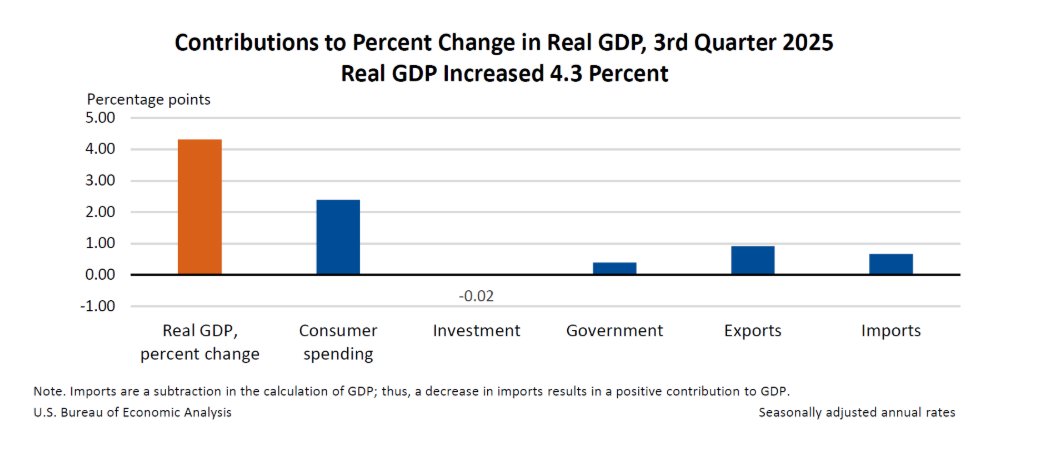
That streak was driven by falling interest rates, rapid tech adoption, and strong economic growth. In some ways, the setup feels similar today, especially with the impressive 4.3% Q3 2025 GDP print and November CPI coming in at 2.7%.
What’s most encouraging about the 4.3% GDP growth is that it was driven largely by consumer spending. Thanks, at least in part, to the positive wealth effect of rising stock prices, we’re spending more on just about everything.
Just don’t forget what came next after the five-year bull market run of the 1990s:
2000: −9.1%
2001: −11.9%
2002: −22.1%
Honolulu Spending Bonanza
I’ll share more detailed thoughts in a dedicated post. But anecdotally, what I’m seeing here in Honolulu has been striking. It’s peak holiday season, with people escaping rain and cold elsewhere, but every restaurant we visit is packed. I see plenty of folks in their 20s and 30s casually spending $25–$40 on entrees.
We went to The Kahala Hotel & Resort yesterday to enjoy the beach, and it was busy as well. Standard single rooms are going for about $1,400 a night, with suites costing $5,000+ per night.
Since I was 25, I’ve dreamed of having enough money to comfortably afford staying there one day. But I have to say, it feels even better parking for free at the beach park and walking six minutes to The Kahala to enjoy the exact same beach as the wealthy guests!
My winter trip to Honolulu continues to make me feel bullish, which is also a little worrisome. Still, I can’t deny what I’m seeing and experiencing with my own eyes. I will likely continue dollar-cost averaging in the S&P 500 and Fundrise Venture.
Putting My Money Where My Mouth Is
I’ve known about the Santa Claus rally phenomenon since my Wall Street days from 1999–2012, and I bet on it more aggressively this year. Whenever there’s a correction heading into this period, I get excited. And we had two: one in November and another on December 17.
Last week, I wrote about the growing importance of using private company information (performance, fundraising, sentiment) to inform public market investing, and vice versa. Here’s an example of me putting that interplay to work.
If you’re curious about the historical returns and win rates of the Santa Claus rally, along with what I most recently bought, you can check out this post: Betting On The Santa Claus Rally To Finally Come Through. And of course, if I’m wrong, I’ll simply lose money and learn from my mistakes.
Hard To Spend Money When It Counts
One reason we save aggressively and build emergency funds is to pay for surprise expenses. Yet I realized I had an incredibly difficult time selling Treasuries – part of my emergency fund – to cover a $1,900 car repair, let alone buying a new $50,000–$115,000 car.
As you’ll see in my Santa Claus Rally post, I’d rather invest the money and buy dips instead. This got me thinking about my children’s two 529 plans. When the time comes, I may find it just as hard to spend that money on college tuition.
It already feels painful paying full price for college while the entry-level labor market is weakening. With tuition likely to double over the next 12 years when my daughter may attend, I imagine it’ll feel even worse paying for college.
So for parents who’ve been diligently saving and investing in a 529 plan, my latest post may help you slow down a bit. Instead of sacrificing so much for your children, you might consider rewarding yourself more instead. Maybe even a $5,000-a-night suite at The Kahala! Yeah right.
See: Unwilling To Spend 529 Plan Funds When The Time Comes
Methodically Eliminating Regrets
Finally, I encourage all of you to write down a list of regrets, both small and large, that you currently have. Then find a way to cross them off one by one before you die.
Like the debt snowball method, you may want to start by eliminating your smallest regrets first to build momentum. After each one, I promise you’ll feel amazing.
The feeling is as satisfying as investing in a 10-bagger or successfully negotiating a severance package from a job you no longer enjoy. When I negotiated mine, it felt like winning the lottery. But when I helped negotiate my wife’s severance, I realized it was a repeatable process, one applicable to millions.
Eventually, you will run out of time, money, or physical ability. Here’s my latest post on eliminating a regret and fulfilling a childhood dream.
To Your Financial Freedom,
Sam
Suggestions
If you haven’t reviewed your investments in the last 6–12 months, now’s the perfect time. You can run a DIY checkup or get a complimentary financial review through Empower. Either way, you’ll likely uncover useful insights about your allocation, risk exposure, and investing habits that can lead to stronger long-term results.
Stay proactive. A little optimization today can create far greater financial freedom tomorrow.
Empower is a long-time affiliate partner of Financial Samurai. I’ve used their free tools since 2012 to help track my finances. Click here to learn more.
If you were forwarded this newsletter, join 60,000+ others and sign up for the free Financial Samurai newsletter and posts via e-mail. Everything is written based on first-hand experience.