
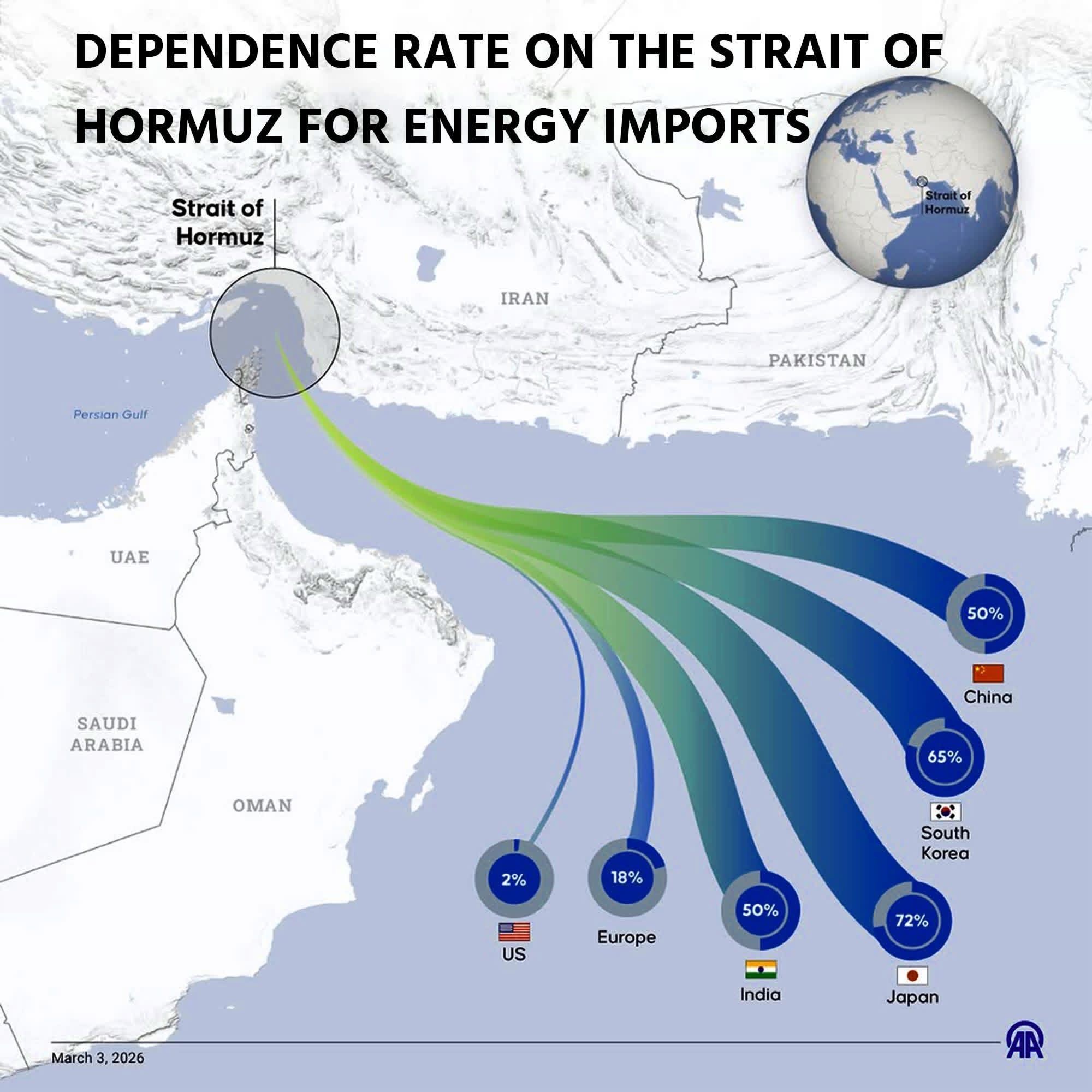
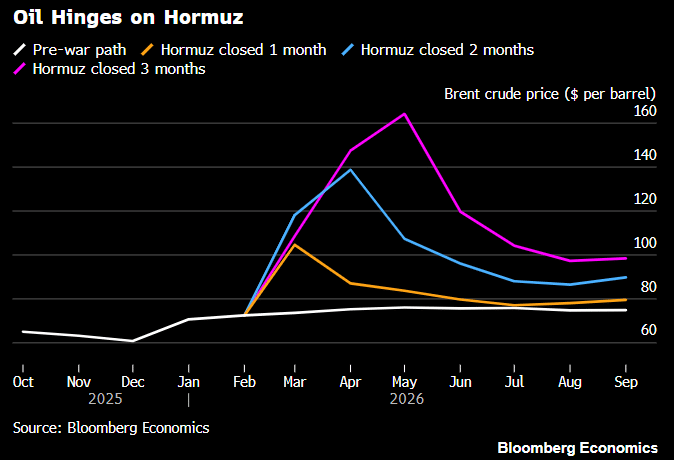
Due to the U.S. and Israel's bombing of Iran, oil prices temporarily shot up to $120 per barrel (WTI crude). If the Strait of Hormuz gets completely shut down, perhaps oil prices might go to $150+ a barrel. This would create a tremendous tax on consumers everywhere.
With yet another increase in a core living expense, survival has gotten even harder for all but the rich. Perhaps the world will be safer in the long run, but in the short run, simply keeping your head above water might be in order.
Meanwhile, if you are an investor, your stock portfolio may also be getting hit for who knows how long. Maybe the S&P 500 declines another 15%, just like it did in early April 2025 as the war spirals out of control. Or maybe we bounce around the 200-day moving average of 6,600 before moving higher again.
Corrections are always a good reminder about the importance of proper asset allocation. Personally, I bought the dip for my children, but that's a topic for another post.
Now let's talk about surviving elevated oil prices. Because perhaps it's far easier than we think.
How To Survive Higher Oil Prices
My survival plan for higher oil prices is quite similar to my survival plan for higher food prices during the pandemic.
Calculate.
Reduce.
Substitute.
By calculating, reducing, and substituting, I was able to keep food costs relatively flat over two years while losing 10 pounds in the process. Combatting inflation is straight forward, but not easy. Never waste a difficult moment.

Calculating Cost For Rising Oil Prices
My first step is to calculate how much my oil consumption costs each month. Oil is an input cost for many things, but most directly, gasoline.
Here in San Francisco, the price for regular unleaded per gallon will likely rise to around $5.50 if oil stays above $100 per barrel. Therefore, filling my 27-gallon tank will cost about $149. Before the bombing of Iran, gas was closer to $4.50 per gallon for regular. Therefore, my cost increase is about $27 per visit.
I fill up my tank between three to four times a month, which means I will be paying up to $108 more per month in gas.
Thankfully, I already cut cable, which saves me $120 a month. That leaves me with a $12 monthly buffer, despite the gas price increase.
Reducing Consumption To Combat Cost
Let's set aside my preemptive cost-cutting measure of eliminating cable. To counteract my $108 increase in monthly gas costs, the easiest solution is to simply drive about 15% less.
I only drive about 6,500 miles a year on average over the past decade, so there isn't that much room to cut. However, every Sunday I drive 40 miles round-trip to a sports club to teach my kids swimming and tennis for several hours. It's about 30 minutes each way, which is a bit of a chore. But spending 5–7 hours with my kids is also a blessing. We also get lunch and play in between as part of Daddy Day Camp.
However, during times of elevated gas prices, adjustments can be made. Driving 40 miles requires about 2.5 gallons of gas, or about $14 in cost. Therefore, I will eliminate one of the four weekly visits each month to save $14.
Not swimming is a bummer, but they'll survive missing one week. There are plenty of other things to do and learn.
Substitute Expensive Activities For Cheaper Activities
With one less swimming session per month, I will substitute this activity by walking the kids to the nearby public playground and teaching them tennis and basketball instead. I've been wanting to work with them on their dribbling and shooting skills, now that they're 6 and almost 9.
So what about the remaining $94 I need to save to offset my $108 higher monthly gas bill?
Well that's easy. Each time I take my two kids to the sports club, I have to pay a $25.50 guest fee for each child. Therefore, by skipping one week and substituting activities, I save a total of $63.50.
So now I only have a deficit of about $21, which is not a big deal. The two kid-sized basketballs I purchased a month ago have been underutilized. So higher oil prices have helped me be less wasteful.
The classic transportation substitutions include taking public transportation, biking, walking, or car pooling.
Other Cost-Cutting Measures Due To Higher Oil Prices
After getting the obvious cost-savings out of the way, it's time to reduce consumption of the following items that may become more expensive due to higher oil prices:
- No flying anywhere until oil prices calm down
- Continue eating slightly less than my 10-year average
- Open the windows when it's hot and use a fan
- Buy no plastic products, including toys, electronics, household goods, and synthetic clothes
- Skip fertilizing my plants
I might as well institute a spending moratorium on discretionary items for 30 days, or until oil falls below $80 per barrel for 10 consecutive days, whichever comes later. All the savings will be funneled toward investing instead, as I treat investing as an expense.

Just Have To Withstand Higher Oil Prices Temporarily
A realistic worst-case scenario is oil stays above $100 and shoots to $150 for six months. In that case, my household will reduce consumption by 15% and look for substitutes during that time period.
A realistic best-case scenario is oil prices normalize to $80 or less in under a month, in which case we probably won’t feel any different. After eating 10% less for at least a year, it actually felt great to lose weight and look fitter. I suspect driving and consuming less will make us feel better as well.
Overall, I estimate that oil increasing by 50% would raise our monthly household expenses by about $168 – roughly $108 for gas and $60 for everything else.
We are relatively frugal, as minimalism and early retirement go well together. As a result, we should be able to withstand these higher expenses fairly easily. After 16 years of living the FIRE lifestyle, saving money has almost become an enjoyable game.
The far bigger issue is seeing our investment portfolios get hit, since they are core to generating enough passive income to remain unemployed. That said, I've been through plenty of corrections since I started investing 1996, and always try to take advantage with my spare cash.
This time is no different.
Have you calculated how much higher oil prices will increase your household expenses and what you'll do to counteract it. Do you think rising oil prices are a big deal?
Track Your Finances So You Can Adapt To Rising Costs
One of the best ways to deal with rising costs is to understand your finances inside and out. When you know your net worth, asset allocation, income generation, and investment returns, it becomes much easier to adjust spending without feeling stressed.
Track your expenses with Empower's free financial tools. Once you connect your accounts, you can track your net worth, monitor your portfolio allocation, and better understand your cash flow. The more clarity you have, the easier it is to make smart adjustments when the economy changes.
I recently went to the post office to send out a dozen signed copies of my USA Today bestseller, Millionaire Milestones. If you’re interested in participating in the promotion, you can read about my experience and the instructions in this post.
Get my posts in your inbox as soon as they are published by signing up here. Then subscribe to my free weekly newsletter here. I’ve been writing about helping readers achieve financial freedom since 2009.

Sam, what are you driving that is giving you only 16 MPG? Our large 8 seater Kia Carnival gets 33 mpg. In LA we pay 3x more for car insurance than gas, so even at $6/gallon, gas is still a small amount of our annual spend.
Tips for saving money on gas. Get it at Costco ($0.60/gal cheaper here), check your tire pressure, and drive for effectively.
Thanks impressive. I’ve never seen drivers experience MPG much higher than what the auto manufacturer advertises. Do you have a hybrid Carnival?
I have a 2015 Range Rover Sport. The 16 MPG is about 85% city driving.
I can’t do Costco for some reason. Maybe I’m just allergic to crowds or trying to park in the lot. We just buy through Amazon Prime and delivery.
It’s a hybrid Carnival and the EPA rating is 33 MPG combined (34 city / 31 highway). I log every tank in Google sheets and it’s lifetime average is 31.8 mpg
There is Costco gas station 1 block from my work and no lines in the morning, it’s very convenient for me.
With gas prices going up from $2.50 to about $3.50 in my area I drive more defensively (reduce highway speed by 3 mph) and drive a smaller 32 mph car instead of larger 24 mpg SUV so the impact on my monthly 1000 mile drive is small. On the other hand, my energy stocks went up 30% YTD, which propelled my growth portfolio to 9.5% return this year. So higher oil prices so far have benefited me more than it hurt.
I’m impressed you include energy stocks in your growth portfolio. What was your thesis for oil and energy prices accelerating this year?
Do you have separate portfolios for growth, income, etc?
My actively managed portfolio is based mostly on ETFs and a couple of stocks like NVDA, PLTR. The energy ETF (XLE) is a part of this portfolio where I bought several thousand of shares last year. It pays 2.5% dividend too. This portfolio has clocked 25.6% annual growth in the last 8 yrs and beat the market in 7 out of 8 years.
That’s great! Congrats on the long streak. One of the things that makes me optimistic is that everybody I meet on online has done very well for themselves. So I think the media is exaggeratin the under investing and under funding of retirement accounts in America.
Hi Sam, are you starting to buy index (S&P) as the market goes down for your kids’ portfolio? S&P is about 5% off from ATH. Do you mind sharing your DCA strategy based on the current geopolitical event? Thanks.
Yep, I have. Every year I send over the gift tax limit to their custodial investment accounts and buy. So I feel happy for them that they get a better entry point.
Related: A Better Dollar-Cost Averaging Strategy For Your Investments
This is where living below you means for me is the built-in buffer. If your income is 20k per month and you spend 10k per month, a short term spike of 11k per month spending is not that big a deal. If it lasts 6-12 months then it may be time to look at its impact on your long term spending/saving.
The thing is, for the vast majority of households, I don’t think the spike is anywhere close to 10% more or $1000 more acmonth.
Even with oil over $100 a barrel, the maximum increase for 99% of households is $250 a month.
true. I guess the bottom line for me and inflation is unless it impacts my lifestyle choices or retirement plan, not something I am that concerned about. Again it goes back to living within your means. If living paycheck to paycheck inflation can break you. And we have always remember, inflation coming down does not me prices drop, they just rise less fast than before. IF gas per gallon spikes from 3 to $3.50 cause of the war, when the war is over and next year the average gas price is 3.70, well, inflation has come down…
$250 more a month is a massive increase for the majority of Americans.
But that would be realistic worst case for at most six months. We’re still sitting at under $100 a barrel.
How much more will your expenses go up with oil sitting at $100 a barrel? And how long can you last paying extra without changing your behavior?
I strongly believe everybody is rational. If they find oil prices to be too high, they will reduce consumption and substitute. And if they don’t, it’s because they are OK to pay higher prices.
Hi Sam, another great article thank you! Its spring time in Vermont so Ill be getting back on the road bike more. Biking to get groceries is a liberating feeling especially when gas prices are high.
I’m not making any lifestyle changes based solely on the gas price changes, but the changes could indirectly cause me to make some changes. If the gas prices are still really high next year, I might decide not to fly for vacation based on my vacation budget. Or if I am faced with a decision to drive further for less expensive goods/services or buy something closer and more expensive, then the math may tilt in favor of staying closer. If I gradually factor the gas prices into either/or decisions, then I can gradually adjust to the trend.
Sam, you’re not driving enough to worry about gas prices. CA gas prices have been – remains the highest than any other state. If you wish to target this expense, you’ll have to move sir… lol. The best option for me is to invest in the sector. I bought 4 midstream companies in Jan 2020 and they are the best performers in my personal portfolio, the dividends paid nearly cover my annual fuel budget estimated ~ 4,160. The appreciation value is ~ 140-185%
Wonderful! Congrats on these nice returns. Do you suggest buying these 4 midstream companies now? If so, what are they?
It’s always good to see what actions we can take now, instead of only looking back at what we’ve done and gained.
Related: Think In Two Timelines To Build Greater Wealth
I get mineral royalties every month and the increase in royalties will compensate for the high prices.
Most of countries gas prices are .50 higher so not that much in the short term. Would expect prices to come back down into the $50-60 range.
California needs to get a grip on what they have done by pushing out US based refineries with high taxes and regulations. They now get most of there gasoline from Asia! Gasoline prices will only go higher.
That would be great if oil prices get back under $60, and quickly too. Bullish.
Sounds like Reliance Industries is going to help invest $200 billion in a new refinery in Texas.
Reliance industries means the profits go to India.
Get the big ticket items right (home, cars, food), and inflation is a blip on the radar. I’d rather focus on the income side of things than fret about fixed expenses. At a certain net worth, an increase in the cost of living just doesn’t really affect you (at least not mathematically).
True, lot’s more upside for income growth.
But it’s also fun to manage expenses and control what we can control immediately. Hunkering down is a skill people should work on, no matter how wealthy they get.
Good for achieving FIRE.
The cost of fluid milk will increase with petroleum cost. Consider how much oil is used in the supply chain: grow the cow feed, run the equipment, transport the liquid for processing, chill the milk, create the HDPE plastic jugs and manage the daily milk run distribution. I have read a study that 1 cup of milk produced requires 1/4 cup of petroleum. One way to save money, drink less milk.
When it comes to analyzing our spending, we use an app called Monarch. It has a subscription cost to use, but it also allows us to deep dive into spending categories and track our net worth in one place.
Cool. So are you going to reduce your liquid milk consumption or substitute for something cheaper?
We have reduced but not eliminated milk consumption. A gallon of organic milk can cost $10, not worth the cost to me. I keep cans of evaporated milk in the pantry for cooking and rarely need to throw out expired milk. If I had kids, I can see how reducing fluid milk is a tough choice to make.
Whatever. As a source of good protein, milk is still going to be cheaper than other sources.
I love your approach. It can be so frustrating when costs spike due to no fault of our own. So I appreciate how you use an approach to combat rising costs that gives back a sense of control. Your adjustments sound totally reasonable and are also a fun way to mix things up. My most frequent rising cost frustration besides oil is food. So I keep trying to find more recipes that can freeze well to avoid waste, and filling on their own to avoid needing snack fillers in between meals, and can be made from bulk ingredients to save on cost. Thanks for always helping us find positives in financially frustrating circumstances.